In this article
The bottom line on is imitation crab halal comes down to minor ingredients and audited Islamic certification: uncertified kani sticks frequently contain mirin rice wine or ethanol flavor solvents, whereas CICOT Halal products made by Big Kitchen Co., Ltd. (BigKitchen · est. 1994 · 4,000+ tons/year) use 0% alcohol alongside plant paprika color on SGS FSSC 22000 (UKAS 0005) lines.
Key takeaways
- Uncertified imitation crab frequently fails Islamic dietary law due to mirin sweet rice wine (10-14% alcohol) or ethanol based crab flavorings or E120 insect carmine dye.
- Every crab stick and Chikuwa tube alongside each fish ball and baked fish snack produced by Big Kitchen carries official Central Islamic Council of Thailand (CICOT) Halal certification.
- Formulated with 0% alcohol using cold washed ocean whitefish surimi alongside Halal certified crab aroma and plant derived paprika and annatto coloring.
- Manufactured at 88 Moo 4 Khok Kham, Samut Sakhon (4,000+ tons/year) under SGS FSSC 22000 (UKAS 0005) alongside Department of Fisheries HACCP & GMP and SMETA.
Is Imitation Crab Halal or Haram, and How Does CICOT Certification Work?
When supermarket buyers ask is imitation crab halal and how Halal surimi auditing works, food technologists look past the fish block straight to the liquid flavorings and colorants. Tropical marine whitefish like Threadfin Bream (Itoyori) is Halal by nature, yet traditional East Asian kani formulas rely on fermented rice wine (mirin or sake) to cover up poorly washed fish mince.
At Big Kitchen Co., Ltd. (BigKitchen), operating for 30+ years since 1994 with 104 Million THB registered capital and upstream surimi sister plant Sea Royal Marine Food Product, chilled multi-wash refining removes fishy odor at the source. Every production run follows our CICOT Halal and SGS FSSC 22000 (UKAS 0005) food safety standards with 0% alcohol additives.
What 3 Ingredient Mistakes Should Halal Buyers Avoid When Sourcing Crab Sticks?
Reading the front of a carton never tells the whole story in frozen seafood trading. Experienced Halal QA teams screen supplier spec sheets for 3 hidden formulation mistakes buyers must avoid before approving import permits:
1. Hidden Mirin Rice Wine and Ethanol Carrier Crab Flavorings
Generic kani labels often print "natural crab flavor" even when the liquid aroma compound carries 5-15% ethyl alcohol as an extraction solvent. For Big Kitchen's CICOT Halal certified imitation crab sticks, our R&D lab approves only alcohol free Halal flavorings backed by supplier Halal certificates renewed every 12 months.
2. Cochineal Carmine (E120) Red Dye vs Plant Paprika Extract
That familiar red peel wrapping each kani stick triggers customs rejections across Shafi'i and ASEAN Halal boards whenever factories use crushed cochineal beetles (E120 / carmine). Our sheeting lines color outer surimi wraps strictly with plant derived paprika oleoresin and annatto extracts stable through 85-95°C steam cooking.
3. Shared Processing Lines and Uncertified Cleaning Chemicals
Contract kitchens running pork dumplings or animal tallow snacks on neighboring lines compromise Halal status across 2-4 daily shifts even when the fish recipe looks clean. Our Samut Sakhon facility operates as a strictly porcine free plant using Halal audited detergents alongside inline CCP metal detectors and manual packing QC checks.
What Factory Factors Determine Quality Across Certified Halal Surimi Assortments?
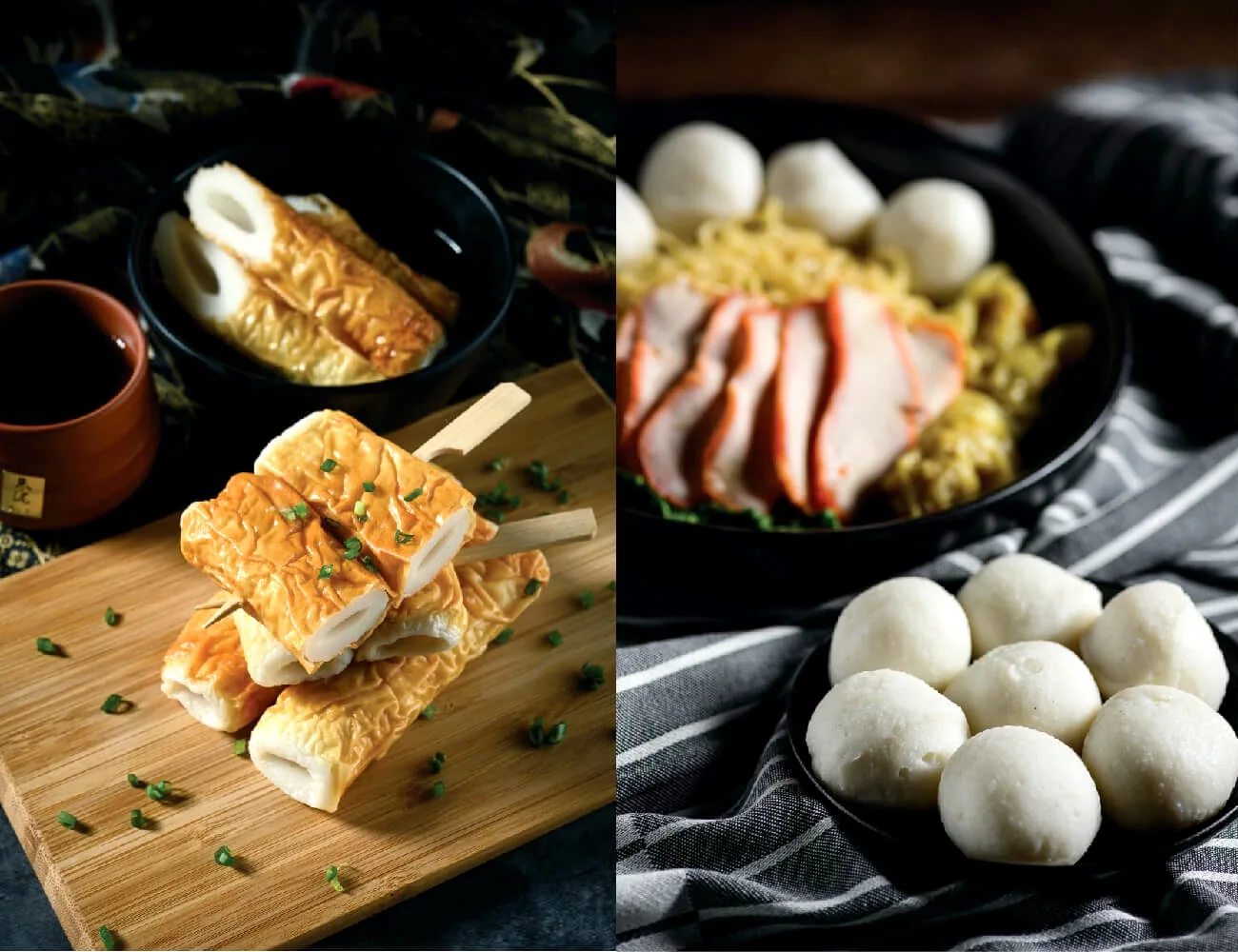
Three audit factors determine quality when consolidating a -18°C Halal reefer container: porcine free line segregation alongside solvent free seasonings and steady whitefish gel bounce. Alongside flaky crab sticks, buyers load our roasted Halal frozen Chikuwa fish tubes for oden and bento menus.
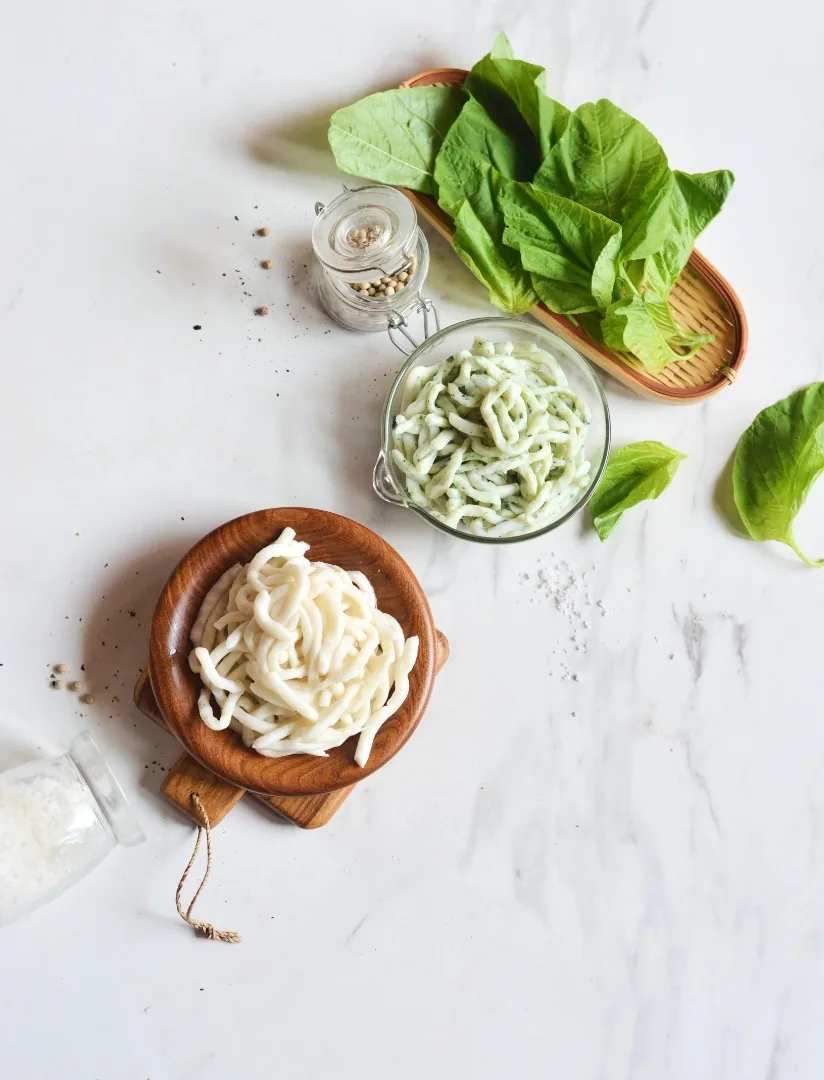
Importers supplying Halal supermarkets in Indonesia alongside Malaysia and GCC ports also combine classic fish balls and Singapore fish balls plus fish udon from our complete CICOT Halal frozen seafood catalog across 7 house brands producing 4,000+ tons/year.
How Do CICOT Halal Crab Sticks Compare to Traditional Uncertified Alternatives?
Weigh the main benefits and drawbacks across 4 surimi supply models below so your buying desk can choose the best option over traditional uncertified kani alternatives:
| Compliance Factor | Uncertified East Asian Kani | Generic Supermarket Stick | Big Kitchen CICOT Halal Crab Stick | Big Kitchen Halal Chikuwa & Fish Ball |
|---|---|---|---|---|
| Sweetener & Flavor Carrier. | Often uses mirin sweet rice wine or sake. | May contain ethanol solvent seafood flavors. | 0% alcohol: Halal certified crab aroma + sugar. | 0% alcohol: Halal whitefish seasoning blend. |
| Red Colorant Source. | Sometimes uses E120 cochineal insect carmine. | Mixed synthetic dyes without Halal audit trail. | Plant derived paprika + annatto extracts. | Golden roasted tube or clean natural white bounce. |
| Line Segregation & Hygiene. | Shared equipment with pork dumplings or lard. | Self declared claims without Islamic authority. | Official CICOT Halal + SGS FSSC 22000 (UKAS 0005). | CICOT Halal + Department of Fisheries HACCP & GMP. |
| 2026 Order MOQs & Lead Time. | Rejected at Indonesian or Malaysian or GCC customs. | Frequent local distributor stockouts. | 5-10 cartons wholesale (1-3 days) or 500 cartons export. | Mixable reefer loads + custom OEM runs in 15-45 days. |
| Best Market Fit. | Non-Halal menus only (unsuitable for Muslim diners). | Requires manual ingredient screening on every lot. | Halal supermarkets · sushi chains · GCC & ASEAN export. | Halal hotpot buffets · oden bars · school catering. |
Which Step-by-Step Buyer Checklist Ensures Halal Surimi Import Success?
This 3-point step-by-step buyer checklist ensures customs and cold chain success before placing a domestic or export Halal surimi order:
- 1. Check the CICOT Halal Code & Ingredient Spec: Confirm the active CICOT Halal registration number on the pack and verify zero mirin or sake or ethanol solvents or E120 carmine on the technical data sheet.
- 2. Match Food Safety & Cold Chain Logs: Pair valid CICOT Halal product schedules with SGS FSSC 22000 (UKAS 0005) alongside Department of Fisheries HACCP/GMP and -18°C reefer loading records.
- 3. Request Halal Certificates & Trial Cartons Direct: Order 5-10 wholesale cartons in Thailand or request export container quotes through Big Kitchen's Halal export and OEM team.
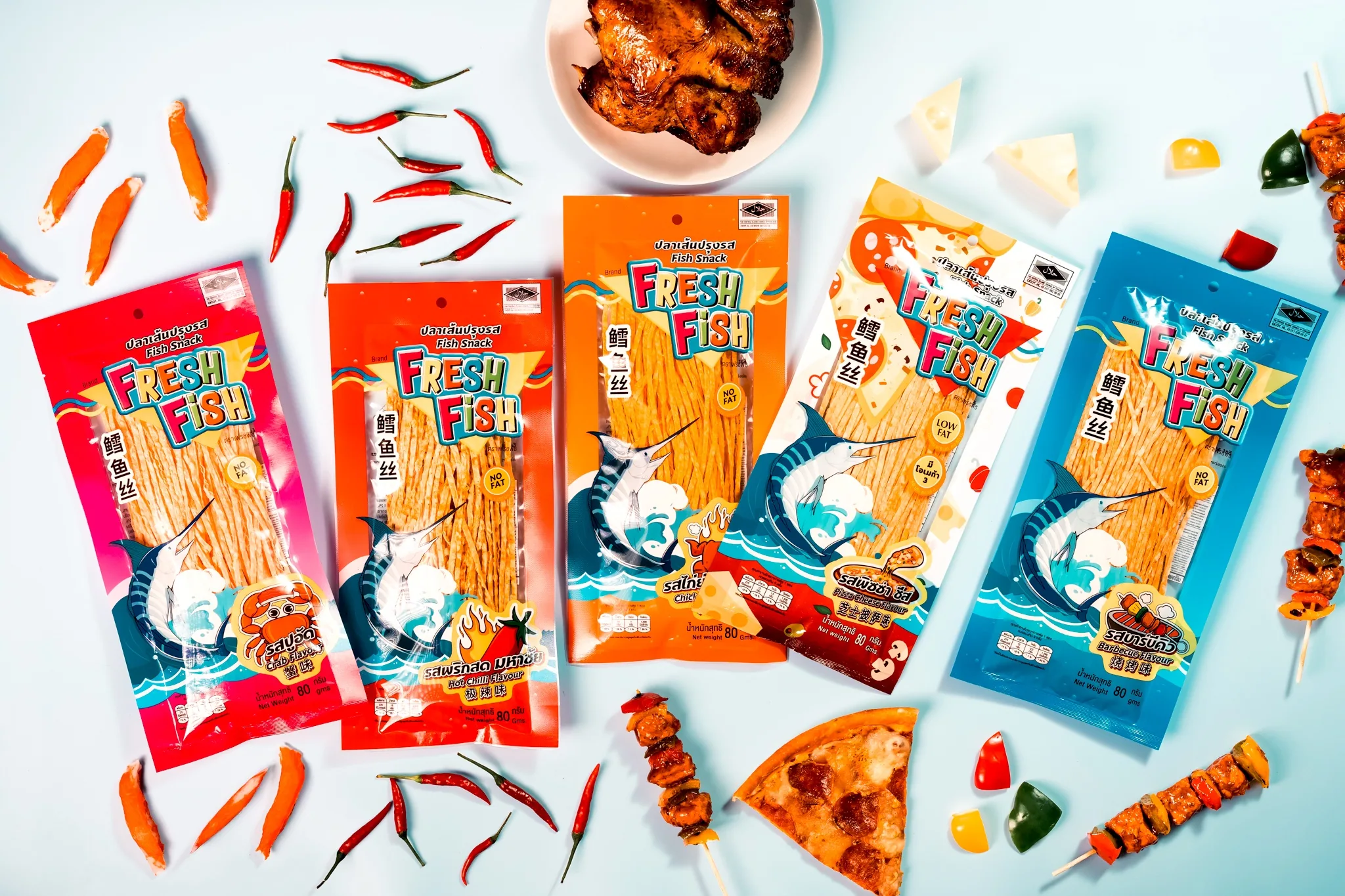
About the Manufacturer: Big Kitchen Co., Ltd. (บริษัท บิ๊ก คิทเช่น จำกัด · BigKitchen) is a BOI promoted Thai Halal surimi and seafood snack manufacturer founded in 1994 (30+ years experience · 104 Million THB capital · ~500 staff) at 88 Moo 4, Soi Sinchai, Ekachai Rd., Khok Kham, Mueang Samut Sakhon, Samut Sakhon 74000, Thailand. Producing 4,000+ tons/year across 9+ export countries with sister surimi plant Sea Royal Marine Food Product and 7 house brands (Fresh Fish · Bays · Comto · Richo · Big Fish · Big Squid · Nemo) under CICOT Halal · FSSC 22000 (SGS · UKAS 0005) · HACCP · GMP · SMETA. Contact Sales: 090-630-1859 · 089-779-5388 · Office 034-119715 · LINE @bigkitchen · WeChat BigKitchenTH · sales@bigkitchen.co.th.
Frequently asked questions
Is imitation crab halal for Muslim consumers and Halal restaurant chains?
Why do some uncertified crab sticks contain mirin or hidden alcohol?
Is CICOT Halal certification from Thailand recognized in Malaysia and Indonesia and the Middle East?
How much do Halal crab sticks typically cost in 2026 and how long do lab COA results and orders take?
Talk to us about products or private label
Tell us the products you need, your destination market and estimated quantity to ask about pricing and order terms.
Contact our team